
Shaping agentic AI
Agentic AI Foundation
Vstorm was the first agentic AI engineering company to join the Agentic AI Foundation and received its 2026 Open Agentic AI Innovation Award.
Read the announcementEvery inbound lead researched, scored and routed
An agent checks each new lead against your ideal customer profile and routes it in the CRM, and a person approves the handoffs you choose.
Research agentAgent
crm.get_lead form answers and source web.fetch_company site, sector and team size crm.get_history past deals with the account A new demo request is enriched with company data and the account's history in your CRM.
Scoring agentAgent
scoring.apply_rules your fit criteria, in code Strong fit on sector and team size, but the buyer is outside your sales territories. Should it go to a rep?
Routing agentAgent
crm.assign_owner account executive by region crm.log_score score with its reasons Lead assigned with the score and its reasons, so the rep sees why it ranked high before the first call.

Three-agent product advisor guiding customers through print-order configuration.
Read case study
HIPAA-compliant guideline-executing triage — 42% to 98% on the open 50-scenario benchmark.
Read case study
Text-to-workflow agents building validated node graphs inside the platform.
Read case study
Supply chain intelligence agents reducing manual coordination overhead.

AI agent implementation for a global automotive enterprise.

Bilingual English/Arabic agent inside ARIJ's Moodle environment, answering only from ARIJ's own knowledge base.
Agents do the research and the scoring, and your team decides who gets a call.
Where it stallsReps research every lead by hand before calling.
What we do An agent gathers form answers, company data and CRM history into one note per lead.
Where it stallsNobody trusts a score they cannot explain.
What we do Your fit criteria live in code, and each score lists the criteria a lead passed and missed.
Where it stallsGood leads wait while reps sort the rest.
What we do Agents score and route each lead as it arrives. Leads outside your rules go to a person.
Whatever comes in, every project is built from the same parts below, set up for your files and your systems.
Leads we score
How we build it
Form answers, company websites and CRM history gathered into one note for each new lead.
Your ideal customer profile written as rules and checked against deals you already won and lost.
Scores, owners and notes written to your CRM with the access rights you set.
Territory and handoff rules agreed with your sales team and enforced in the system.
Not seeing your case? Tell us where your leads come from and we start from that pipeline.
Tell us about your workflowThey work in the tools your team already uses, take on whole tasks and stop for a person where you decide.
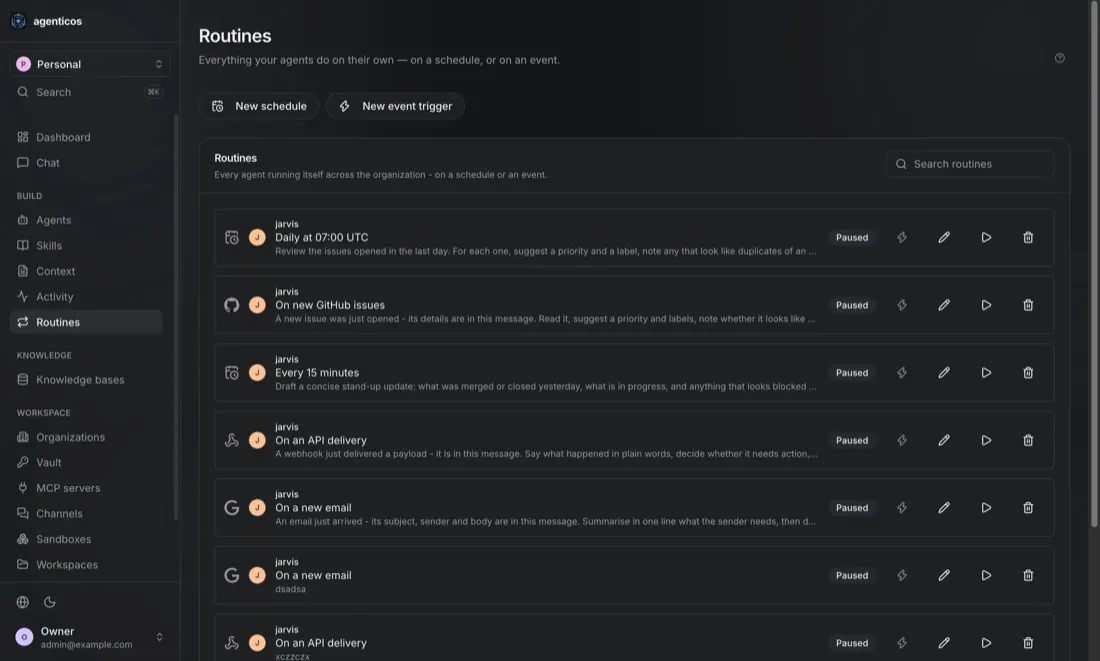
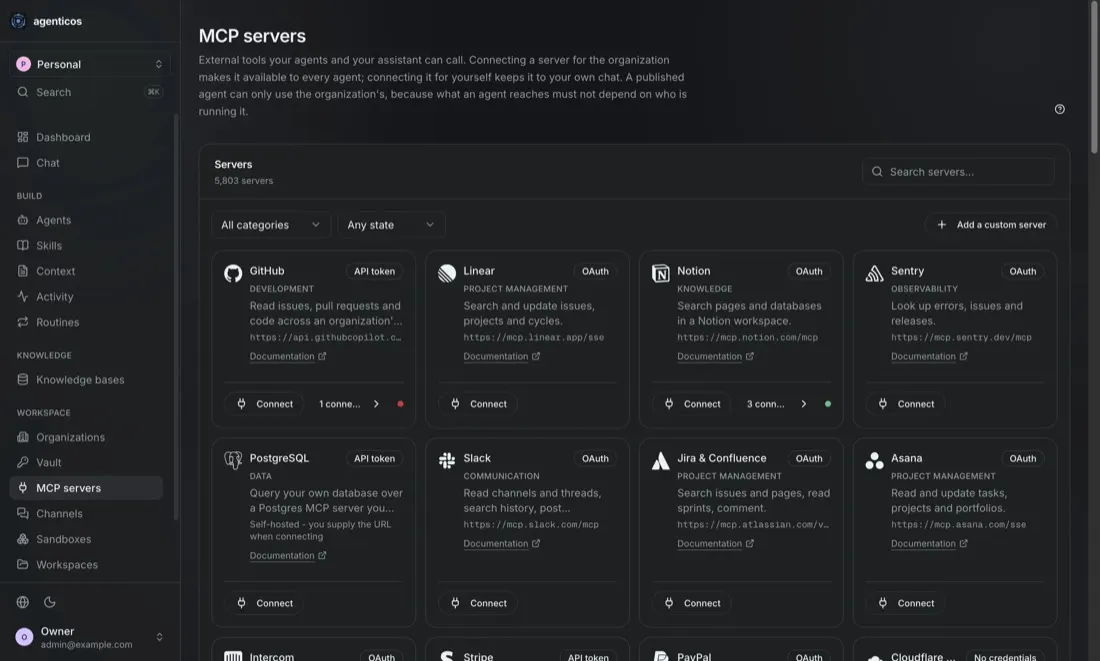
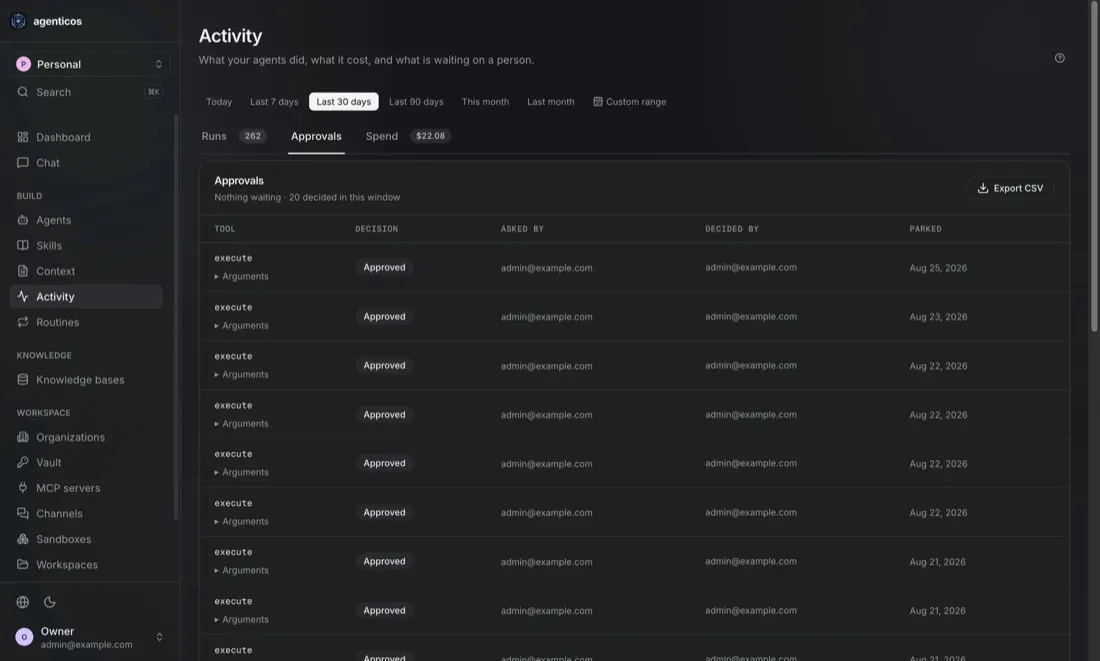
Screens from the workspace our agents run in, with example data.
Each page shows where agents fit in that team or industry.
Open standards, open-source tooling and published research, all public, so you can check our engineering before you hire us.
Shaping agentic AI
Vstorm was the first agentic AI engineering company to join the Agentic AI Foundation and received its 2026 Open Agentic AI Innovation Award.
Read the announcementOpen source
Framework contributors
We maintain our own open-source agent framework and contribute fixes to the frameworks our agents run on, through official partnerships with their teams. Breaking changes reach us before they reach your codebase.
Research
Peer-reviewed papers on agent architectures, evaluation and AI security, and an open benchmark anyone can rerun against our results.
Track record
Our client agents were in production before most of today's agent frameworks had a stable release. You get a team that already knows what breaks between a promising demo and a system people rely on every day.

Senetic's inbound sales email answered in real time, in the customer's language, across 151 countries.
Read case study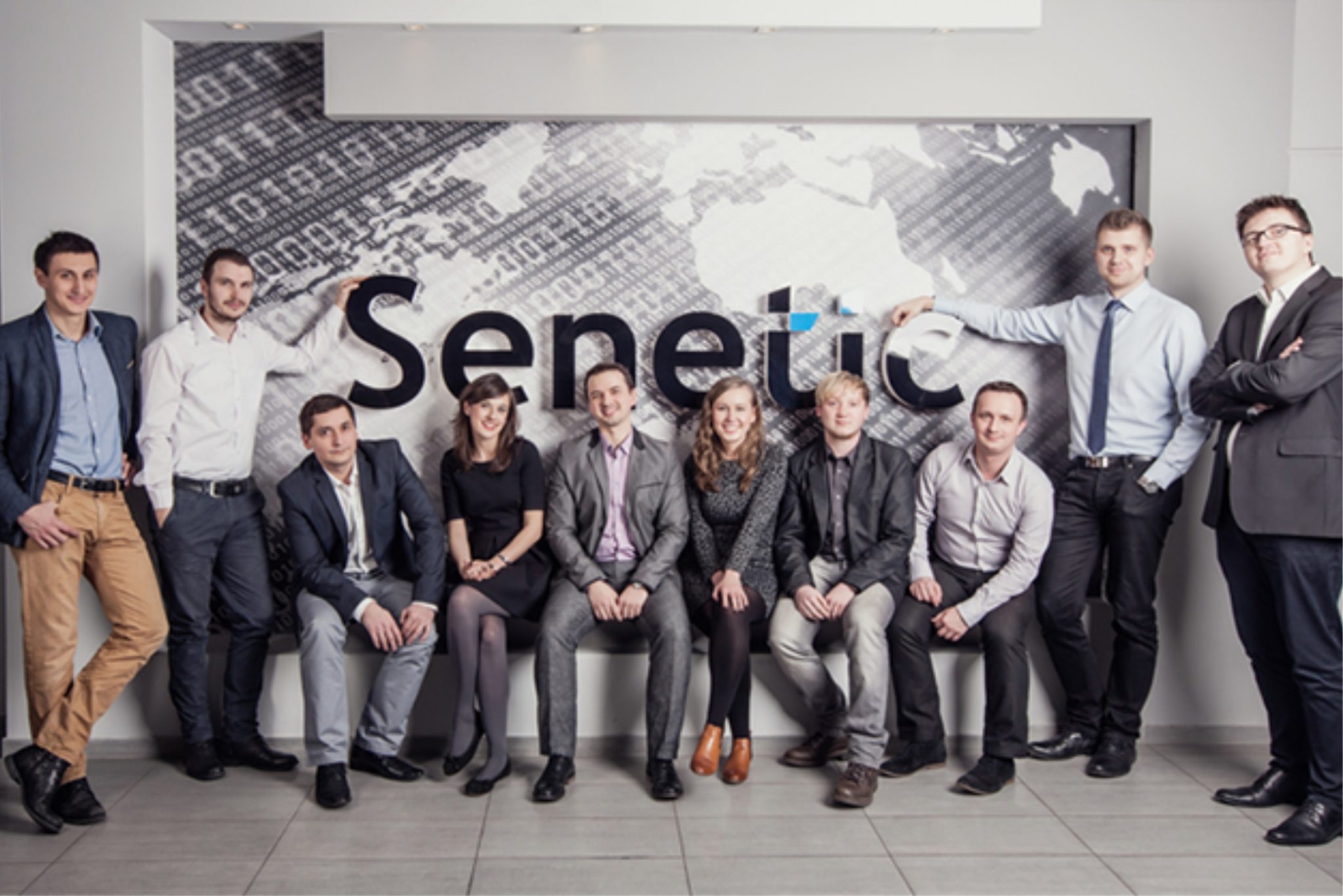

Conversion to a final sale rose from about 20% to about 40%.
Read case studyPricing cut from about 30 minutes to a few clicks. Time of work fell 72% across pricing and database operations.
Read case study
Each path starts with a free call with a founder or senior AI engineer. A build goes ahead only after its Proof of Value meets the agreed threshold.
We map one workflow with your experts and agree a success threshold before any build.
Best whenYou want the success test agreed before you commit to a build.
A Proof of Value shows accuracy and running costs before the full build.