Optical
Non-invasive measurement on the device
Laser light through the skin. No fingerstick in this product story.
Case Study
GlucoStation reads glucose through the skin with optical and spectrophotometric light. Vstorm did not invent that laser. Vstorm built the data and ML layer that gathers, stores, shares, and analyzes what the sensors emit.
The device measures. Algorithms then have to see clean, shareable, analyzable records — for this unit and for the next one. That is the software Vstorm shipped: data management and machine learning infrastructure for an R&D startup, not a chatbot wrapped around a glucose number.
Above €6 million is a TechCrunch estimate of GlucoActive's worth, not a Vstorm outcome. We do not publish a glucose-accuracy percentage or a clinical trial result for this engagement. Optical measurement is the client's device. The data layer is ours.
Laser light through the skin. No fingerstick in this product story.
Gather, store, share, analyze — so algorithms see usable records.
R&D stays cheaper and faster when the data path is not rebuilt per prototype.
About the client
GlucoActive is a research-and-development startup building GlucoStation: a non-invasive glucose reader that uses optical and spectrophotometric light through the skin. TechCrunch has covered the company; published estimates put its worth above €6 million. That figure describes the startup, not this contract.
Anyone who has managed diabetes knows why a reading without a fingerstick matters. The engineering problem Vstorm took was the data system behind that reading.
The challenge
GlucoStation tracks optical and sensor parameters, then algorithms turn that stream into a reading for the user. A device that complex does not run on a laptop folder. It needs software that keeps data quality high enough for machine learning — and flexible enough that the next prototype does not start from zero.
GlucoActive outsourced that layer so the company could move faster, keep paperwork down, and still ship medical-grade data practice. The AI and LLM path comes after the records are trustworthy. Data management is the bottleneck this engagement actually cleared.
Measure on the device. Keep the record clean. Then let the algorithms work.
Workshops with GlucoActive on spectrophotometric and sensor streams, who needs the records, and which later devices would reuse the same path. The gap was infrastructure, not another slide about diabetes.
A management layer that gathers, stores, shares, and analyzes. Machine-learning jobs sit on that layer so a reading is the product of a pipeline, not of a one-off notebook.
Software that improves how the algorithms run, and engineering habits the client's team said they learned from. Cost and flexibility of outsourcing, without dropping data quality.
How it works
The product story is optical: laser light through the skin, no puncture, a glucose figure to the wearer. The Vstorm story starts one step later — capturing that spectrophotometric and sensor stream so analysis is repeatable.
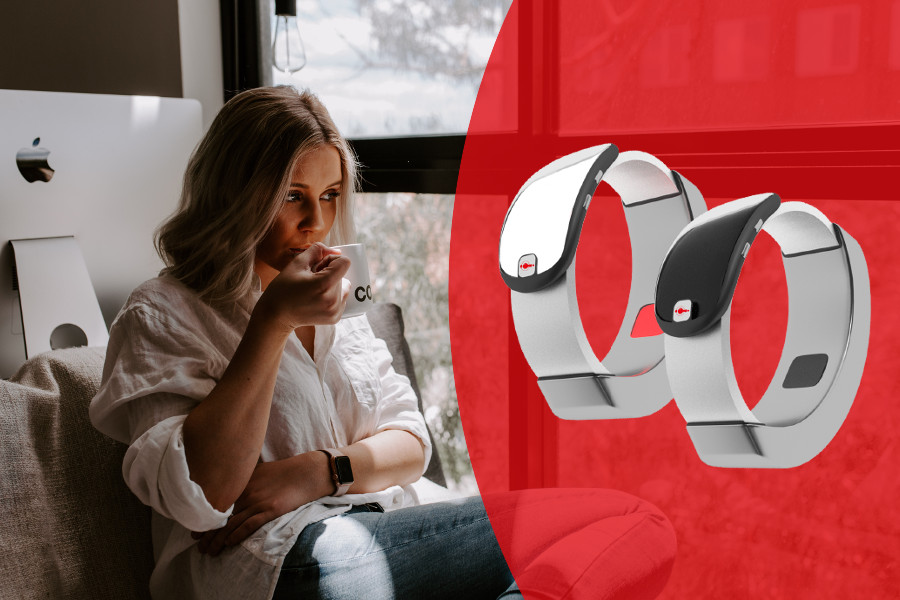
GlucoStation — measurement on the device, data path by Vstorm
Results
Data engineering and AI work on GlucoActive moved faster. The software improved how machine-learning jobs ran. Outsourcing filled a specialist gap without the startup hiring every role. R&D for this device and the next sits on one data path. We do not publish a clinical accuracy number. The published result is the spine that makes those numbers possible later.
Meet directly with our founders and PhD AI engineers. We will walk through real implementations from 30+ agentic projects and the practical steps to integrate them into your workflows.